
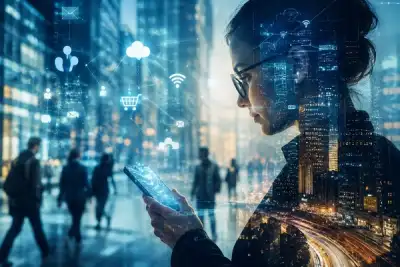
Technology is often associated with groundbreaking inventions, futuristic gadgets, and major software launches. However, some of the most meaningful innovations are not the ones making headlines. Instead, they operate quietly in the background, simplifying routines, improving efficiency, and making everyday experiences smoother. These invisible technology trends are becoming deeply integrated into homes, workplaces, healthcare, transportation, and public services without demanding much attention from users.
As digital systems become more intelligent and interconnected, they continue to influence how people communicate, shop, travel, and access information. Their subtle presence is reshaping modern life in ways that are both practical and impactful.
Artificial Intelligence Working Behind the Scenes
Artificial intelligence is no longer limited to voice assistants or chatbots. It now powers recommendation engines, fraud detection systems, navigation apps, and customer support platforms without users even realizing it. Every time a streaming service suggests a movie or an online store recommends products, AI analyzes behavior to deliver personalized experiences.
These systems continuously learn from user interactions, making digital services faster and more accurate while requiring minimal effort from the user.
Smarter Digital Public Services
Governments around the world are increasingly adopting digital platforms to improve citizen services. Instead of waiting in long queues or completing extensive paperwork, people can now access important information online within minutes. Whether someone is searching pmmvy nic in for maternity benefit details or accessing other public welfare resources, digital transformation has significantly improved convenience and accessibility.
These improvements save valuable time while increasing transparency and efficiency in public administration.
Cloud Computing Supporting Daily Activities
Many people use cloud technology every day without thinking about it. Photos automatically back up to online storage, documents synchronize across multiple devices, and businesses collaborate through cloud based platforms in real time.
Cloud computing has made remote work more practical, improved teamwork, and provided secure access to files from virtually anywhere. This invisible infrastructure keeps personal and professional data available whenever it is needed.
Digital Land Records Becoming More Accessible
Property management has also benefited from technological innovation. Modern digital land record systems allow individuals to verify ownership details, property boundaries, and official documents online. Platforms like bhulekh mp khasra khatauni demonstrate how digital records reduce paperwork while improving accuracy and transparency in property related processes.
As more governments digitize land information, property transactions become faster and less prone to administrative errors.
The Internet of Things Creating Smarter Environments
Connected devices continue to transform homes and workplaces through automation. Smart thermostats adjust temperatures automatically, lighting systems respond to occupancy, and security cameras send instant notifications when unusual activity is detected.
These devices communicate with one another through the Internet of Things, reducing energy consumption while enhancing comfort and safety. Most users simply enjoy the benefits without noticing the sophisticated technology operating behind the scenes.
Digital Verification and Instant Access
Many government benefit programs now provide online verification systems that eliminate lengthy administrative procedures. Farmers, for example, can easily complete a pm kisan status check through digital portals rather than visiting multiple government offices.
This shift toward online verification improves accessibility while reducing delays and paperwork for millions of citizens who rely on public assistance programs.
Predictive Technology Improving Healthcare
Healthcare has embraced invisible technology in remarkable ways. Wearable devices monitor heart rates, sleep quality, and physical activity continuously. Hospitals use predictive analytics to identify potential health risks before serious complications develop.
Medical professionals can now make better informed decisions using data collected automatically, helping patients receive more personalized and timely care while encouraging preventive healthcare practices.
Automation Enhancing Workplace Productivity
Businesses increasingly rely on automation to manage repetitive tasks such as scheduling, invoicing, inventory tracking, and customer communication. Employees spend less time on routine administration and more time focusing on creative problem solving and strategic planning.
This quiet automation improves productivity without dramatically changing daily work routines, making organizations more efficient while supporting employee satisfaction.
Integrated Digital Welfare Platforms
Public welfare management has become increasingly organized through centralized digital systems. Platforms such as mahabocw. in enable eligible workers to access welfare information, application processes, and benefits more efficiently than traditional paper based systems.
These integrated platforms demonstrate how invisible technology can strengthen public services while making essential information available to larger populations.
The Future of Invisible Innovation
The next generation of technology will likely become even less noticeable while becoming more capable. Artificial intelligence, advanced automation, connected devices, cloud infrastructure, and secure digital platforms will continue working quietly behind the scenes, supporting smarter cities, sustainable businesses, personalized healthcare, and more efficient public services.
Rather than demanding constant attention, successful technology increasingly blends into daily life, allowing people to focus on their goals instead of the systems supporting them.
Conclusion
Invisible technology trends may not attract the same excitement as revolutionary product launches, but their long term impact is far greater. From intelligent automation and cloud computing to digital government services and connected devices, these innovations simplify everyday activities while improving convenience, efficiency, and accessibility. As technology continues evolving, its greatest achievement may be becoming almost invisible, quietly enhancing daily life without interrupting it.